


Ouronyx Blog
Your Camera Roll Knew Before You Did: The Early Signs of Hair Loss


One of the reasons early hair loss is so easy to miss is because we see ourselves every day. Our brains naturally adapt to gradual change, making subtle differences almost impossible to recognise from one morning to the next. Photographs tell a different story.
A picture taken six months ago can reveal a hairline that looked slightly fuller. A holiday photo taken from above may suddenly make the crown appear thinner. Harsh overhead lighting in a changing room or a video call recorded from an unfamiliar angle can highlight changes that have quietly developed over time.
None of these moments necessarily mean someone is going bald. Lighting, styling, and camera angles can all influence how hair appears. But they often become the first moment men pause and think, "I don't remember it looking like that." That pause matters.
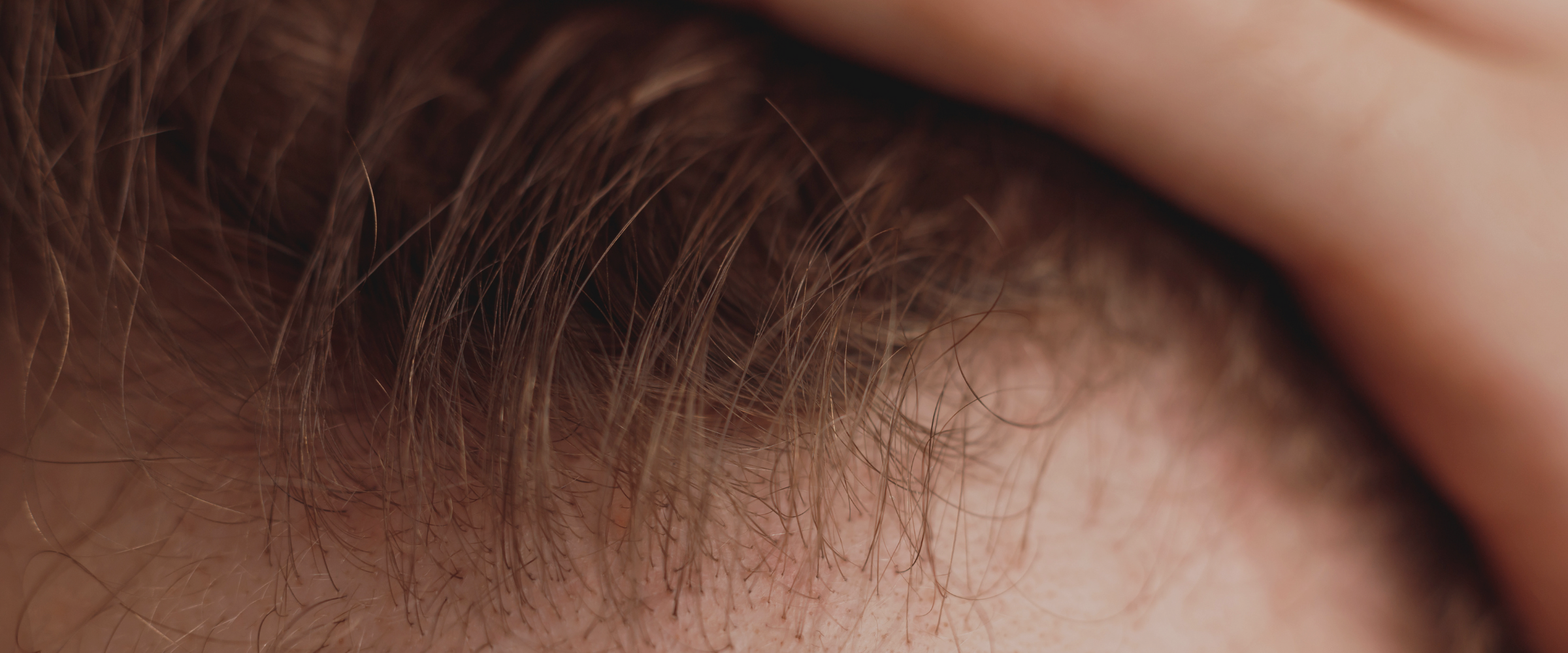
Because pattern hair loss rarely begins with obvious bald patches. It usually starts with progressive follicular miniaturisation, where affected hairs gradually become finer, shorter, and less dense long before the change becomes immediately visible.

For many men, the first clue doesn't arrive dramatically. It appears during an ordinary moment. Perhaps it's a holiday photo after swimming, where wet hair reveals more scalp than expected. Maybe it's a wedding picture taken from behind, showing a crown that looks different from how they imagined it. Sometimes it's the barber mentioning that one area feels lighter than before, or noticing that styling the hair suddenly takes more effort because it no longer behaves the way it used to.
Others become aware after comparing old photographs on their phone, realising that subtle changes have accumulated over several years rather than appearing overnight. These moments are surprisingly common, yet they are often dismissed because hair loss is expected to be obvious. In reality, the earliest signs are usually gradual. Hair may feel finer. The temples may slowly recede. Density may reduce before anyone else notices.
This is also why counting hairs in the shower rarely provides useful answers. Temporary shedding can occur for many reasons, including stress, illness, seasonal change, or nutritional deficiencies. Progressive pattern hair loss, however, is not defined by how many hairs fall out on a particular day, but by how follicles gradually produce weaker, thinner hairs over time.
Recognising change early is not about creating anxiety. It's about creating clarity. Family history can provide useful context, but it doesn't determine exactly what will happen or when. Two brothers can experience completely different patterns of hair loss. Equally, someone with no obvious family history may still notice progressive thinning over time.
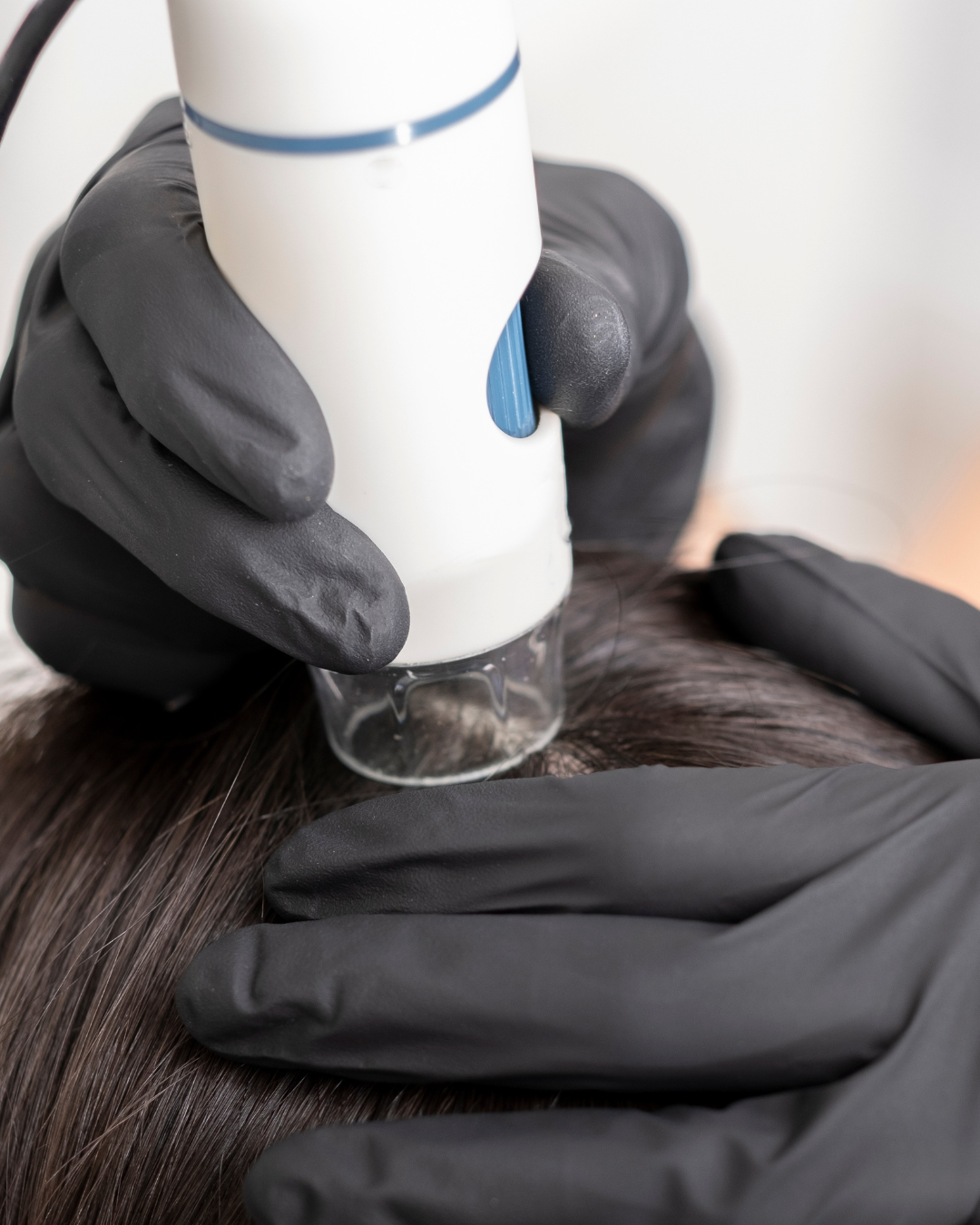
This is where medical assessment becomes valuable. A scalp examination and trichoscopy allow doctors to look beyond what is visible to the naked eye. Changes in hair diameter, follicular density, and miniaturisation can often be identified before they become obvious in everyday life. Creating an objective baseline, whether through clinical photography or trichoscopy, also allows future changes to be monitored far more accurately than relying on memory alone.
Most importantly, earlier recognition usually means more management options. Whether treatment involves medication, regenerative therapies, lifestyle changes, or simply ongoing monitoring, acting before significant follicular loss occurs generally offers the greatest opportunity to preserve existing hair. Sometimes your camera roll notices before you do. The important question isn't whether every photograph tells the truth. It's whether it's worth taking a closer look when several of them begin telling the same story.

Not every change in hair density requires treatment. Sometimes reassurance is all that's needed. Sometimes the cause is temporary and resolves naturally. In other cases, identifying early signs of androgenetic hair loss allows us to create a plan before significant follicular miniaturisation has occurred.
At Ouronyx, every hair journey begins with understanding why change is happening, not simply how to respond to it. During your consultation, one of our doctors will assess your scalp and hair using clinical examination and trichoscopy, helping to distinguish between temporary shedding, pattern hair loss, inflammatory scalp conditions, or other underlying causes. This creates an objective baseline from which future changes can be monitored over time.
Where appropriate, treatment recommendations are tailored to the individual rather than following a standard protocol. Depending on your diagnosis, this may include evidence-based medical therapies, regenerative treatments designed to support follicle health, personalised topical or oral treatment plans, or ongoing monitoring where intervention is not yet necessary.
For many patients, the most valuable outcome of the consultation is simply understanding what is happening and what to expect. Because the earlier hair loss is recognised, the greater the opportunity to preserve existing hair and make informed decisions about long-term management.
Book a Consultation
Begin your Ouronyx journey with one of our facial aesthetics doctors. Choose a location, date and time that suits you and we’ll get ready to onboard you on the tour of self-discovery.