


Ouronyx Blog
Why hair transplants are rarely ‘one and done’: the hair loss conversation no one is having
Medically reviewed by Dr Marco Nicoloso at Ouronyx.

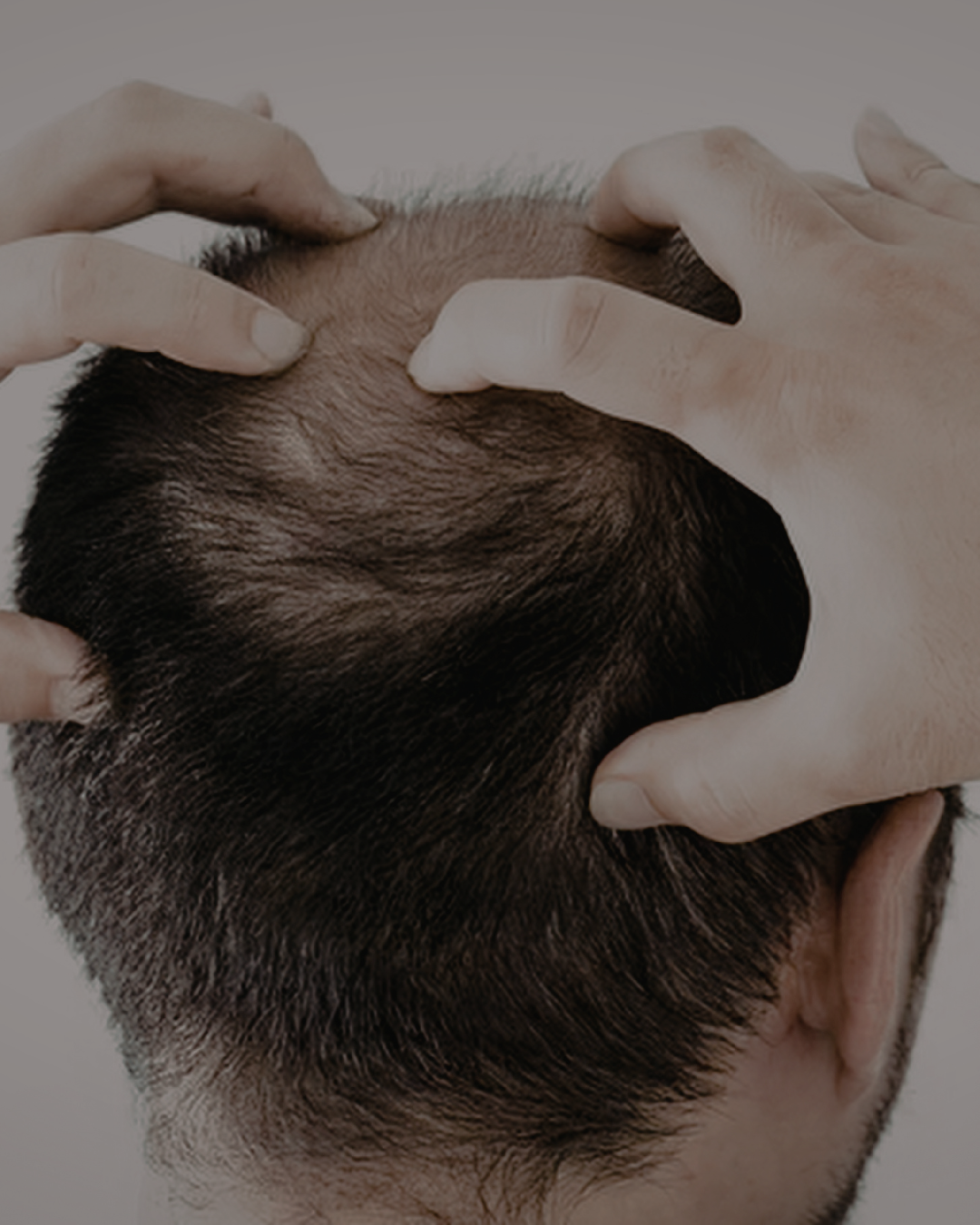
One of the biggest misconceptions around hair transplants is the belief that the procedure “cures” hair loss. In reality, a transplant simply redistributes existing follicles from one part of the scalp to another. It does not stop the underlying biological processes driving thinning in the first place.
For many patients, particularly men in their thirties and forties, hair loss continues to progress gradually over time due to genetics, hormones, inflammation, stress, ageing and lifestyle factors. This means that while transplanted hair may survive, the surrounding native hair can continue to thin if it is not actively supported. Over time, this can create imbalance in density and may eventually lead patients to consider additional corrective procedures. This is why many experienced hair restoration specialists no longer view transplantation as a standalone solution. Because maintaining the hair you still have is often just as important as replacing the hair you’ve lost.

Another reality that is rarely discussed openly is graft limitation.
Every transplant relies on a finite donor area, meaning there is only a limited amount of hair that can safely be extracted over a lifetime. Poor planning, overly aggressive procedures, or repeated surgeries can gradually reduce these reserves. At the same time, hair loss itself often continues to evolve with age.
This means many patients may eventually require additional transplants, corrective work, density refinement and potential long-term maintenance strategies. In regions such as the Middle East, where hair transplants have become extremely common, there is still surprisingly little conversation around what happens years after the initial procedure. But long-term outcomes depend just as much on preservation and maintenance as they do on the transplant itself.
At Ouronyx, the focus is not simply on replacing hair. It is on preserving hair long-term. This is where regenerative and maintenance-based approaches become essential. Treatments designed to support scalp health, strengthen follicles, slow progression, and maintain density over time can significantly change how the hair ages after a transplant.
This may include medication, regenerative treatments such as AMT, scalp-focused therapies like Tricopat, personalised homecare and regular doctor-led monitoring. Together, these approaches form part of a structured Annual Hair Plan designed to support the scalp proactively rather than reactively.
The goal becomes maintaining native hair longer, delaying future procedures, supporting transplant longevity and improving overall scalp health

Hair loss is not static. And increasingly, modern hair restoration shouldn’t be either.
The conversation is shifting away from quick fixes and towards longer-term management, where preservation, maintenance, and scalp health play just as important a role as transplantation itself.
At Ouronyx, this is the philosophy guiding how we approach hair restoration today: not simply replacing what has been lost, but protecting what remains and supporting how the hair evolves over time. Because the most successful outcomes are rarely built in a single moment. They’re maintained over years.
Coming next, we’ll explore a real long-term transplant journey, from failed grafts and repeated procedures to the realities of preserving results over time.
Book a Consultation
Begin your Ouronyx journey with one of our facial aesthetics doctors. Choose a location, date and time that suits you and we’ll get ready to onboard you on the tour of self-discovery.