


Ouronyx Blog
Why Facial Ageing is More Than a Skin Problem

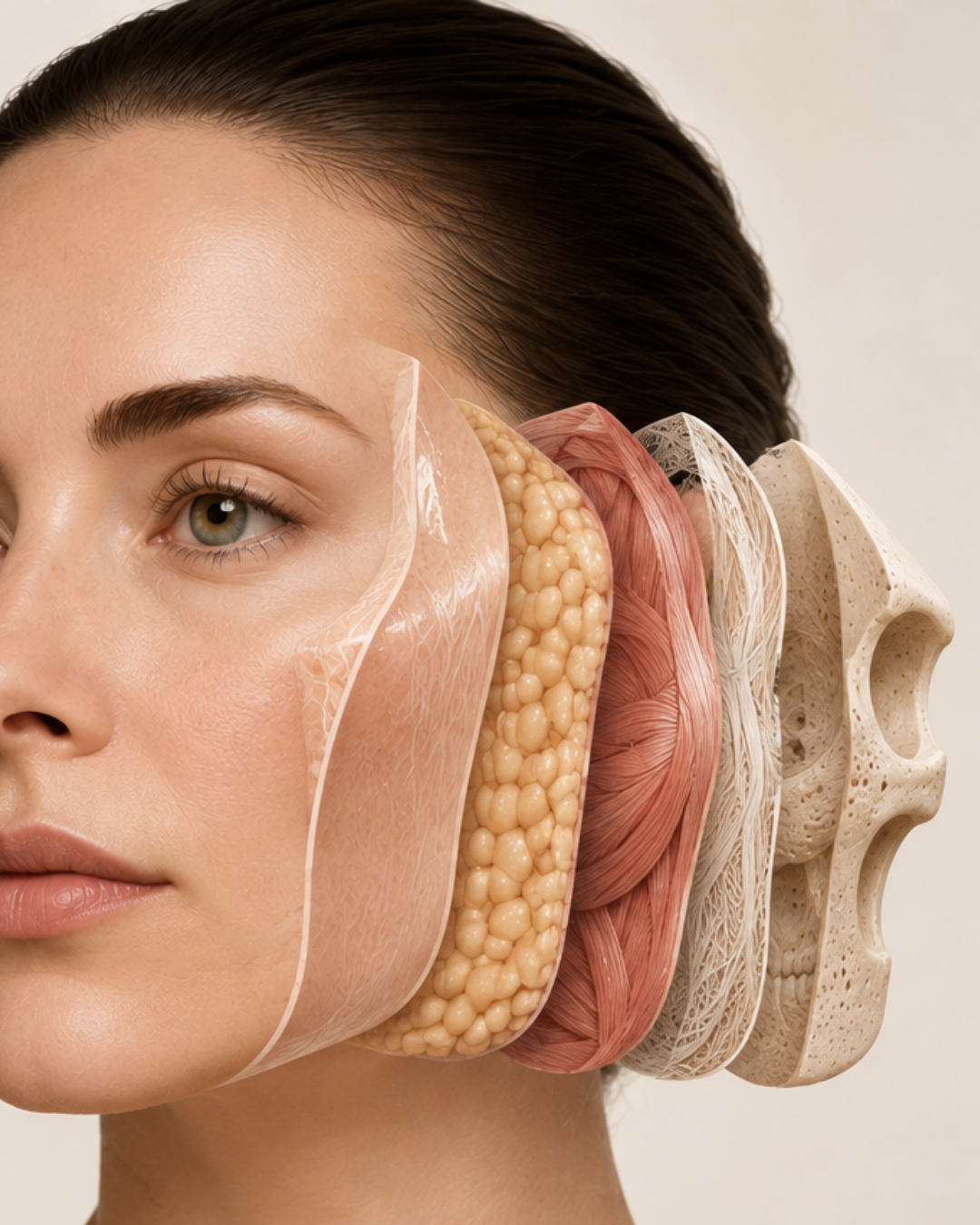
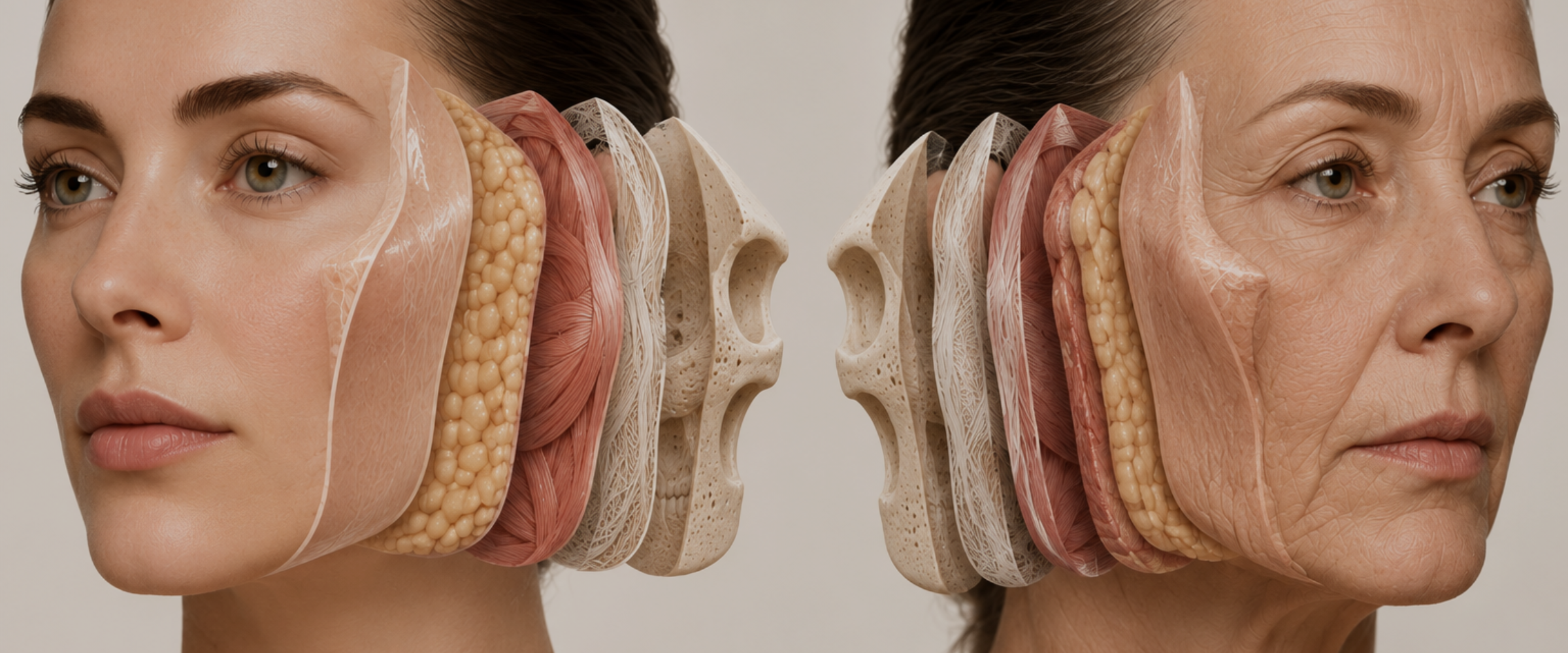
The face does not age as one single structure. Skin, fat, muscle, ligaments and bone all evolve over time, and changes within one layer can influence the appearance and behaviour of the tissues around it.
At the surface, the skin itself changes. Hydration, collagen, elastin, pigmentation and cellular renewal can all affect how smooth, resilient and even it appears. Beneath it, facial fat is organised into distinct compartments that contribute to volume and contour. Muscles create expression and movement, retaining ligaments and fibrous attachments help organise and stabilise soft tissues, and the facial skeleton provides the deepest structural foundation. Five layers, but one interconnected face.
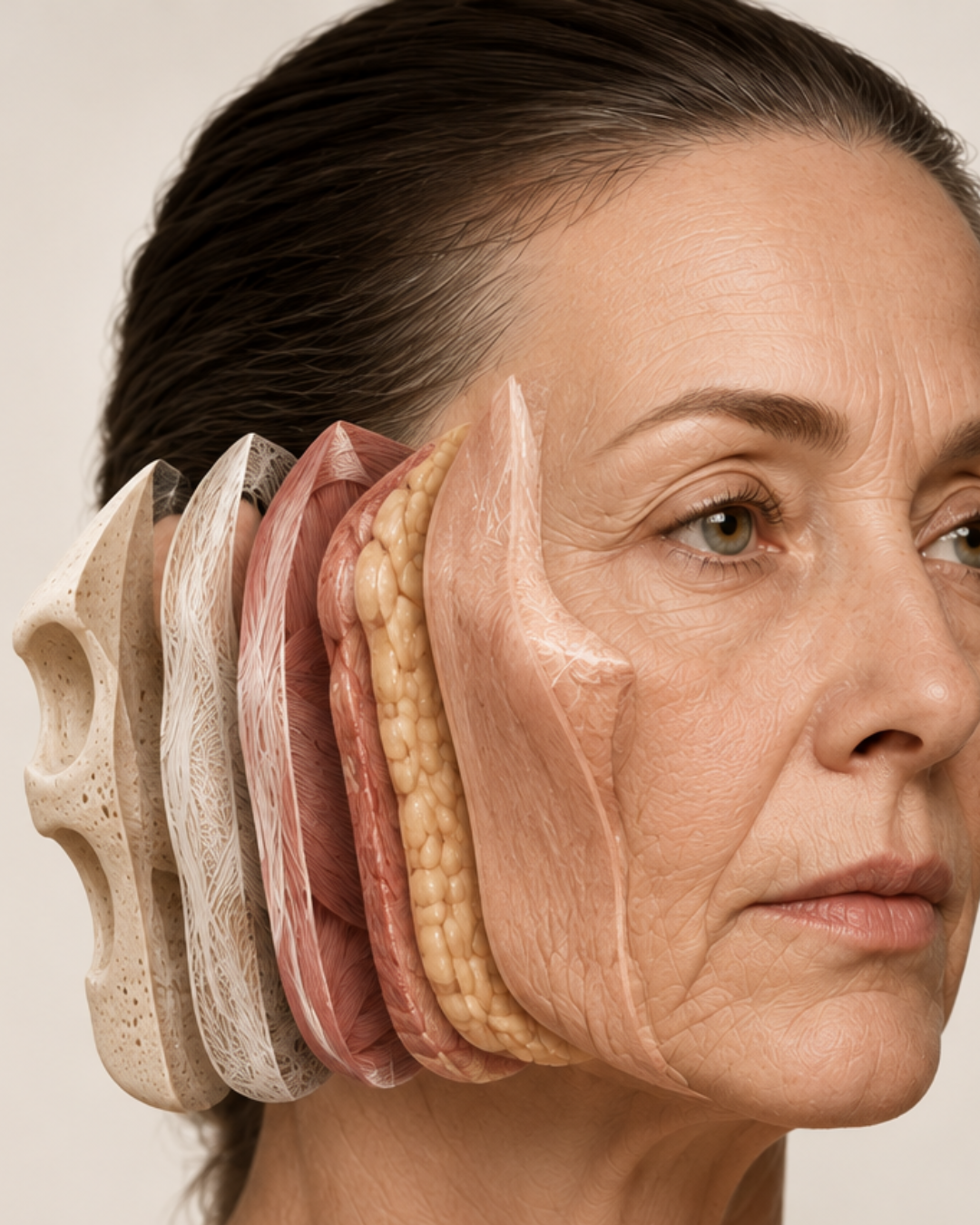
This is why something that appears simple in the mirror may be more complex anatomically. A deeper fold is not necessarily only a wrinkle. Hollowness does not always mean that one area simply needs more volume. And a softer jawline may reflect a combination of changes occurring at different depths.
The layers also do not age according to one universal sequence. Fat can lose volume in some areas while becoming relatively more prominent in others. Muscle continues to influence expression within a changing soft-tissue environment. Ligaments form part of the face’s anchoring architecture, while the skeleton itself remodels over time. Visible change is the outcome. Anatomy helps us understand what may be contributing to it.
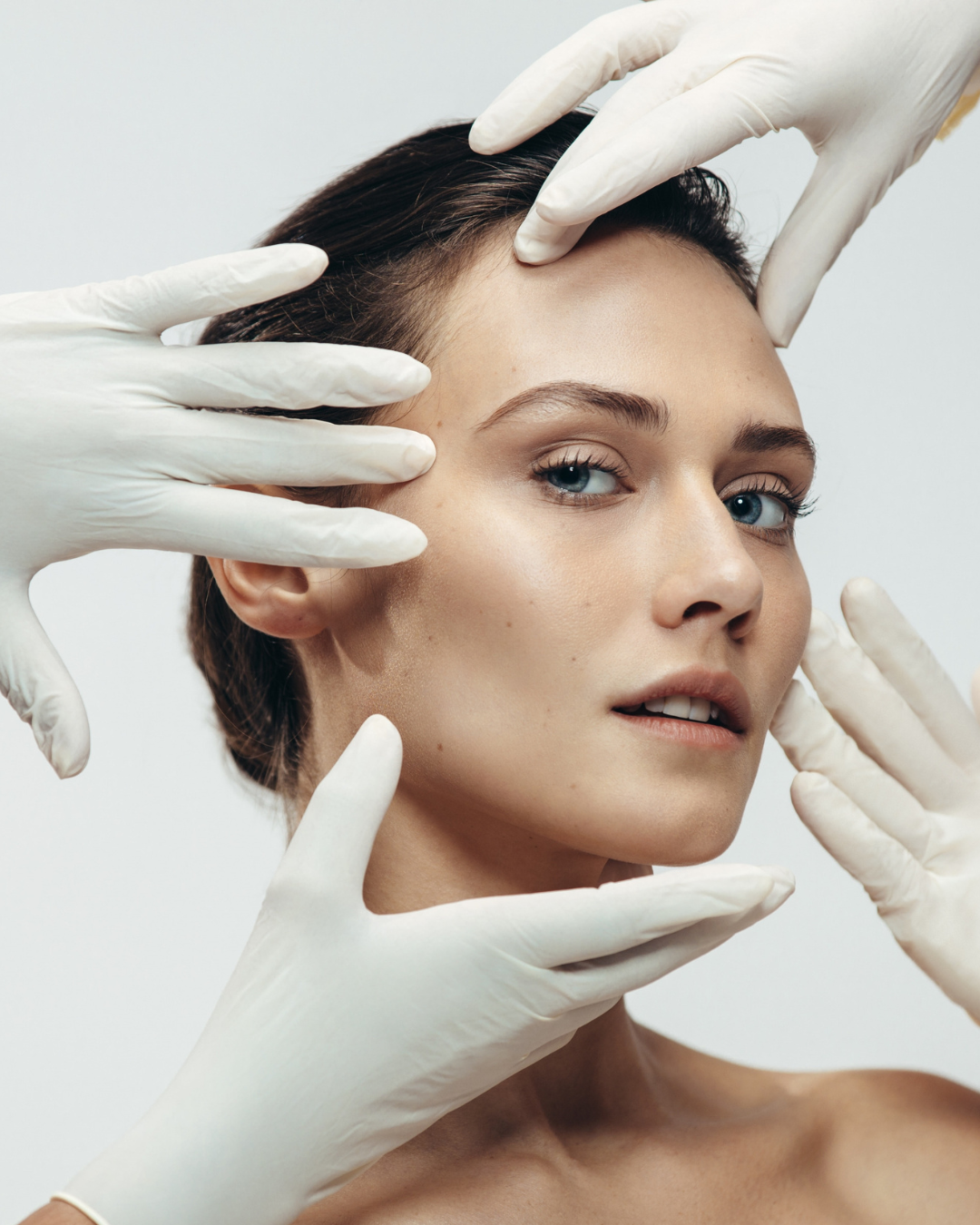
Looking at ageing in this way also explains why two people with apparently similar concerns may need very different approaches. Someone who says, “I just look tired,” may be noticing changes predominantly at the skin, while for someone else, shifts in facial volume or deeper structural support may be playing a greater role. Often, several layers are involved at once.
That is why good aesthetic treatment should not begin by matching a visible concern to a treatment. It should begin with assessment: understanding what has actually changed, which layers appear most relevant and what, if anything, would benefit from intervention. The treatment plan follows the anatomy, rather than the other way around.
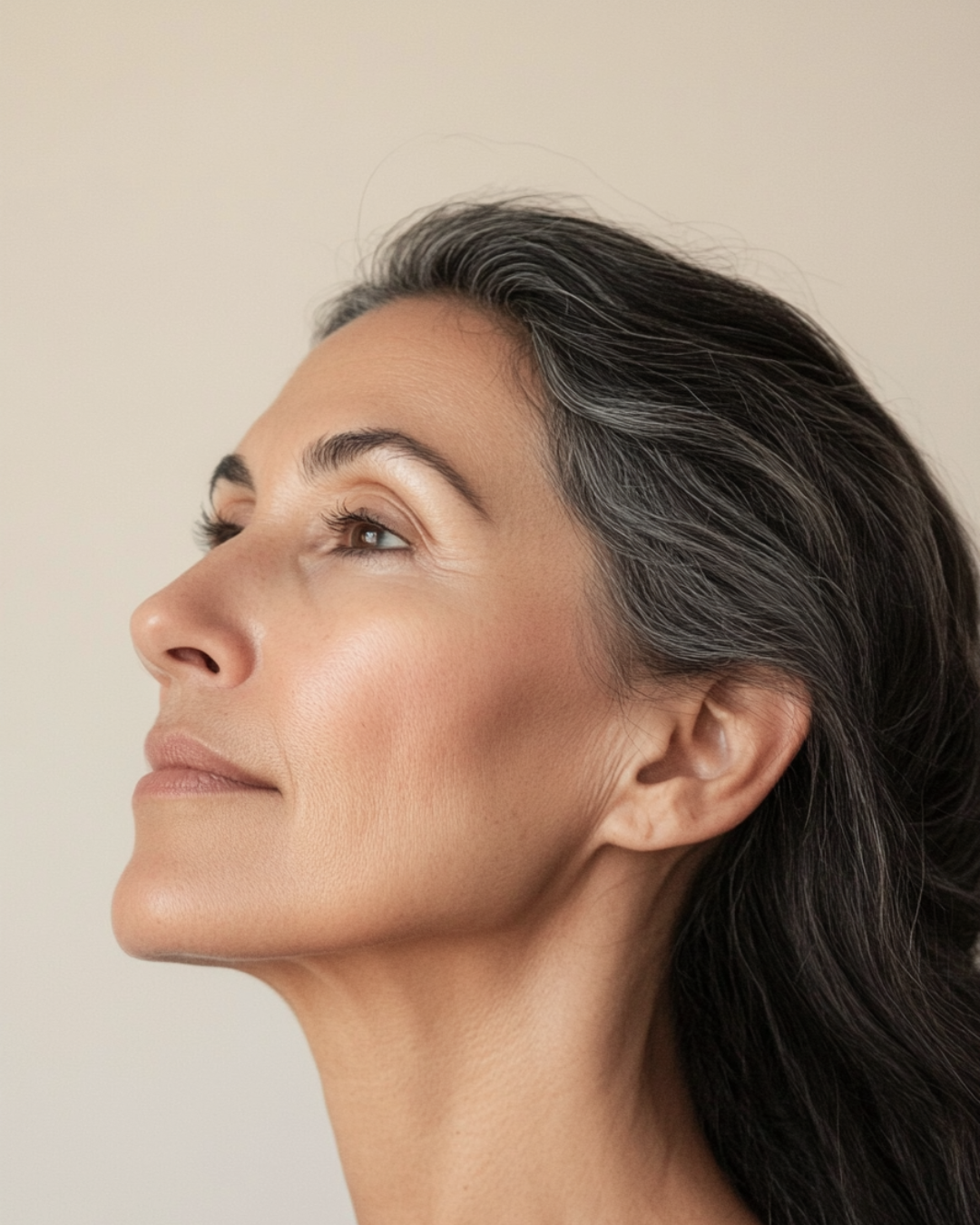
At Ouronyx, this layered view sits naturally within our approach to Face Restoration. The aim is not to recreate a younger version of someone’s face, nor to turn every sign of ageing into something that needs correcting.
It is to understand how an individual face is evolving, what remains harmonious, what has changed and where carefully chosen treatment may help preserve balance and identity. Sometimes that involves working at more than one depth. Sometimes it means choosing to leave an area completely alone.
Over the coming chapters of The Layers of Ageing, we will move from the outside in, looking more closely at each of the five layers and what its evolution can mean for the face. We begin with the most visible of them all: skin — and why not every line is simply a skin problem.
Book a Consultation
If something about your face has started to feel different and you’re not quite sure why, talk to one of our doctors. A Face Restoration consultation can help you understand what may be changing before deciding whether treatment is right for you.