



Ouronyx Blog
What You Want To Treat Isn’t Always What We Do

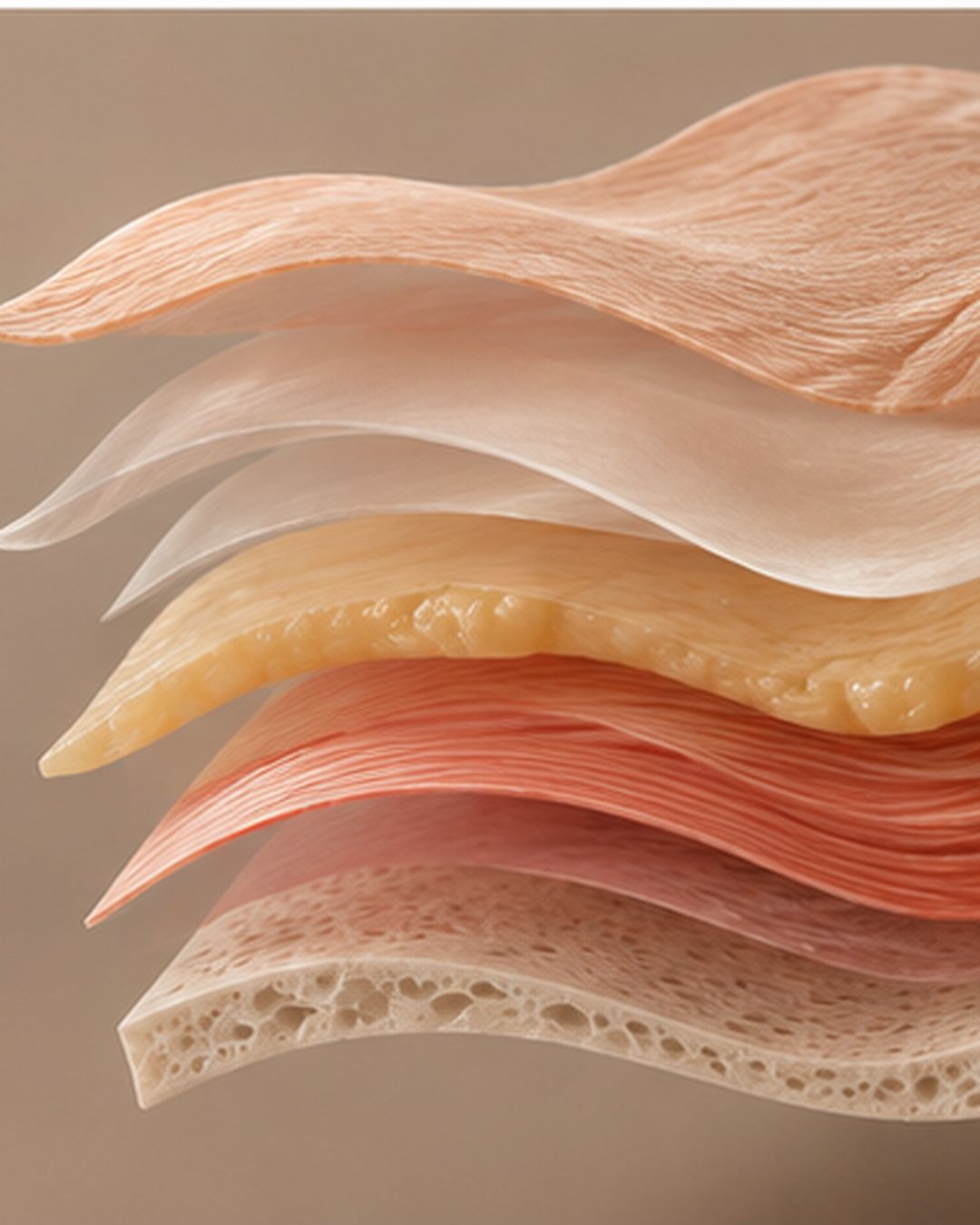
Take one of the most common examples: the fold that runs from the side of the nose towards the mouth. When it becomes more noticeable, it is easy to assume the obvious answer is to put filler directly into the fold. And in some cases, treating the area itself may be appropriate.
But faces do not age one line at a time. The face is built in layers. The skin changes. Facial fat can lose volume or shift differently from one area to another. The deeper structures supporting the cheeks and midface also change over time. All of these things can affect how prominent that fold appears.
So the line you notice may be real, but it may not be the place where the main change has happened. This is one of the most useful things to understand about facial ageing: what you see in the mirror is often the end result, not necessarily the starting point. Modern anatomy research describes facial ageing as a layered, three-dimensional process rather than simply the appearance of more wrinkles over time.

This matters because treating the wrong thing can sometimes create a result you never wanted. Imagine that the area around the mouth looks heavier. Adding more product directly into that area may soften a fold, but it may also add fullness to a part of the face that already feels heavy. In another person, the same-looking fold might genuinely benefit from direct treatment.
That is why two people can point to exactly the same place and receive completely different recommendations. The same principle applies to many familiar concerns.
An under-eye shadow does not automatically mean under-eye filler. A softer jawline does not always mean loose skin. Looking “tired” may have more to do with changes in support or volume than with the skin itself.
Those compartments can also change differently with age, meaning one area can appear flatter or hollow while another looks heavier. So before asking “How do we get rid of this?”, it is often more useful to ask: “Why has this become more noticeable?”

There is a simple way to make a consultation much more useful. Ask four questions.
1. What is actually causing this? You should come away understanding whether the concern is mainly related to the skin, movement, volume, deeper support or a combination.
2. If we treat this exact spot, what happens to the rest of my face? A treatment should improve the overall balance, not simply erase one feature in isolation.
3. Is there somewhere else you would treat first? Sometimes improving support nearby can change the appearance of the area you originally came in concerned about.
4. What would you leave alone? This is just as important. Every line does not need treating, and every visible sign of ageing is not a problem.
These questions shift the consultation away from simply choosing a product. They make it about understanding your face. And that is usually where the more natural, proportionate treatment decisions begin.

At Ouronyx, this is one of the reasons we approach Face Restoration as an assessment of the whole face rather than a list of individual lines to fix. The aim is not to make treatment unnecessarily complicated. It is actually the opposite. If we understand what is driving the change, we can be more selective about what is worth doing.
Sometimes that means improving skin quality. Sometimes it means addressing movement or restoring support. Sometimes several small interventions make more sense than concentrating treatment in the area that bothers you most. And sometimes, once the face is assessed properly, the best recommendation is simply to leave the line alone.
Research on facial ageing consistently shows that different tissues change at different rates and in different ways from person to person. So the next time you notice one feature becoming more prominent, do not assume it tells you what treatment you need. It tells you where to start the conversation.
Book your Face Restoration consult
Start with a personalised assessment of your face, your concerns and your priorities.