


Ouronyx Blog
“I spent £60,000 trying to hide my hair loss”

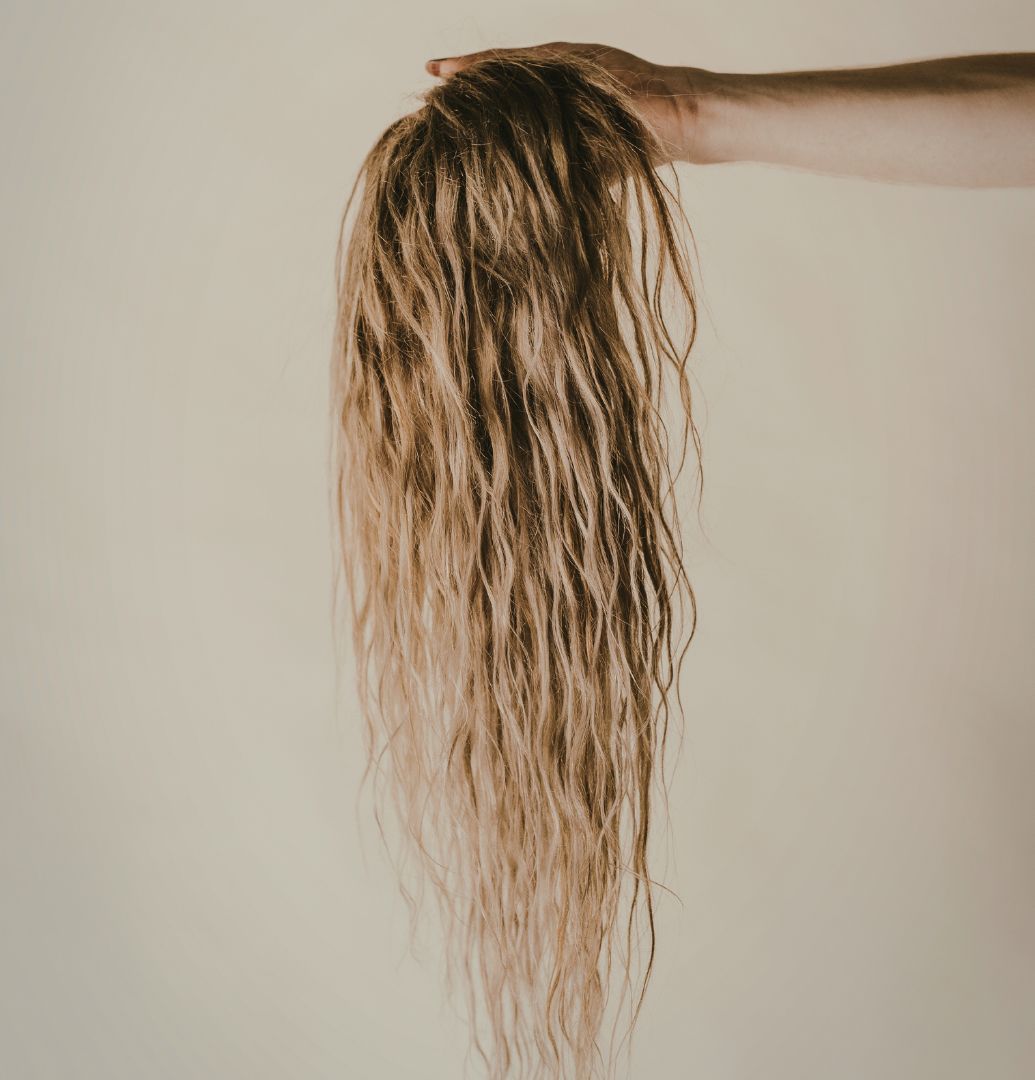
Despite her professional background in wellness and Chinese medicine, Katie had always struggled with naturally fine hair. Like her mother and grandmother, she had never been able to grow it much beyond her shoulders, and from her twenties she relied on styling products to create volume. In her thirties, she began wearing extensions, spending around £800 every few months for the longer, fuller hair she had always wanted.
The most significant change came after she was diagnosed with premature ovarian insufficiency and went through early menopause at 41. Her hair became more brittle, the strands felt finer and thinning across the top of her scalp became increasingly visible. No matter how long she waited between haircuts, her natural hair no longer seemed to grow beyond her earlobes.
For years, she found ways to disguise it. Extensions remained around the back and sides, while regular blow-dries created temporary volume. But beneath the styling, her confidence was changing. She became conscious of bright lighting, photographs and even the possibility that a gust of wind might expose her scalp.
The moment she could no longer ignore it came in a restaurant bathroom. Looking into the mirror beneath the spotlights, Katie saw light reflecting from the exposed skin at her crown. She was 51. Fighting back tears, she realised she could no longer conceal the problem and hope it would disappear.
By then, Katie had tried almost everything she felt comfortable with. Having studied Chinese medicine, she turned first to natural supplements and later to numerous hair-growth serums. None delivered the change she hoped for, and some simply made her fine hair look flatter.
When her hairdresser explained that there was not enough hair at the crown to safely add more extensions, Katie commissioned a bespoke clip-in topper. It cost £500 and looked remarkably natural. For a time, it restored the appearance of density. Yet she also worried that clipping it onto increasingly fragile hair might place more tension on the strands underneath.
Her hair loss had become emotionally exhausting. The end of her marriage added another layer of vulnerability. The thought of meeting someone new and eventually revealing that much of her hair was created through extensions and a topper felt deeply uncomfortable. She no longer felt confident or attractive.
Across roughly two decades, Katie estimates that she spent around £60,000 on extensions, blow-dries, supplements, serums and other ways of managing or concealing the problem. The financial cost was considerable, but the emotional cost was greater. She had invested repeatedly in how her hair looked without ever feeling that she understood what was happening beneath it.


Katie considered a hair transplant, but surgery and the recovery involved did not feel right for her. While searching online for other options, she discovered autologous micrografting, a regenerative treatment using a sample of the patient’s scalp tissue to create a solution introduced into areas of thinning. She initially considered travelling to South Korea, before finding that the treatment was available at Ouronyx in London. By the time she arrived for her consultation, years of frustration had caught up with her. She remembers sitting down in the doctor’s office and bursting into tears.
The consultation marked a shift in approach. Rather than choosing another cosmetic solution, Katie’s hair and scalp were assessed to understand whether she was a suitable candidate and what a longer-term plan might involve. She was advised that micrografting could be appropriate for her stage of thinning, where follicles were still present but needed support.
During the procedure, a small sample of scalp tissue was taken from the lower back of her head under local anaesthetic. It was processed into an autologous solution and introduced into the areas of concern. Her doctor also recommended monthly Tricopat sessions to support the scalp over time, rather than relying on one isolated intervention.

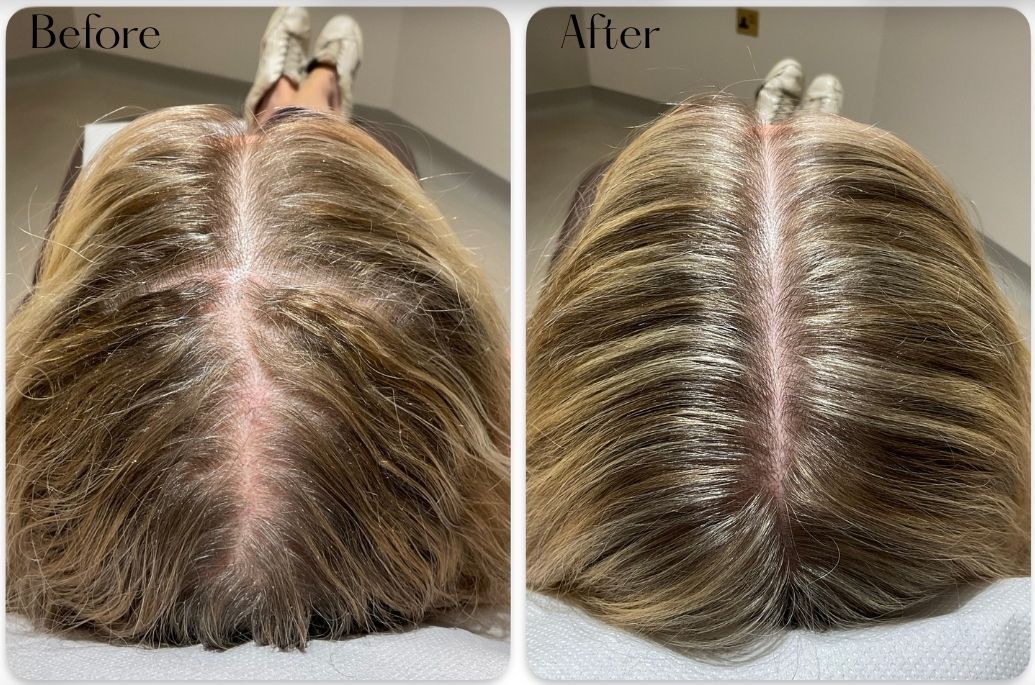
The changes were gradual. Around one month after beginning her programme, Katie felt that her hair seemed slightly thicker. By the second month, she noticed short new hairs around her scalp and temples. They continued to grow as she followed the treatment plan.
One year later, the difference is meaningful to her. Katie says the hair across her crown appears fuller, her natural hair has grown beyond her chin for the first time in more than a decade and she no longer feels defined by hiding thinning areas. Friends tell her she looks well, and she believes them.
Her experience is personal, and no individual result should be treated as a guarantee. What her story highlights is the importance of moving away from concealment and towards proper assessment. Hair loss may appear cosmetic from the outside, but it can affect identity, confidence and daily life.
For Katie, the greatest change is not simply the length or density of her hair. It is the feeling that she can begin a new chapter without worrying about what others might notice. In her story, published by the Daily Mail, she speaks candidly about the emotional reality of hair loss and how a more considered approach helped her feel like herself again.
Book a Consultation
Begin your Ouronyx journey with one of our facial aesthetics doctors. Choose a location, date and time that suits you and we’ll get ready to onboard you on the tour of self-discovery.