



Ouronyx Blog
“After 2 hair transplants, here’s what I learned”A story from Adham, Ouronyx Dubai’s Finance Director

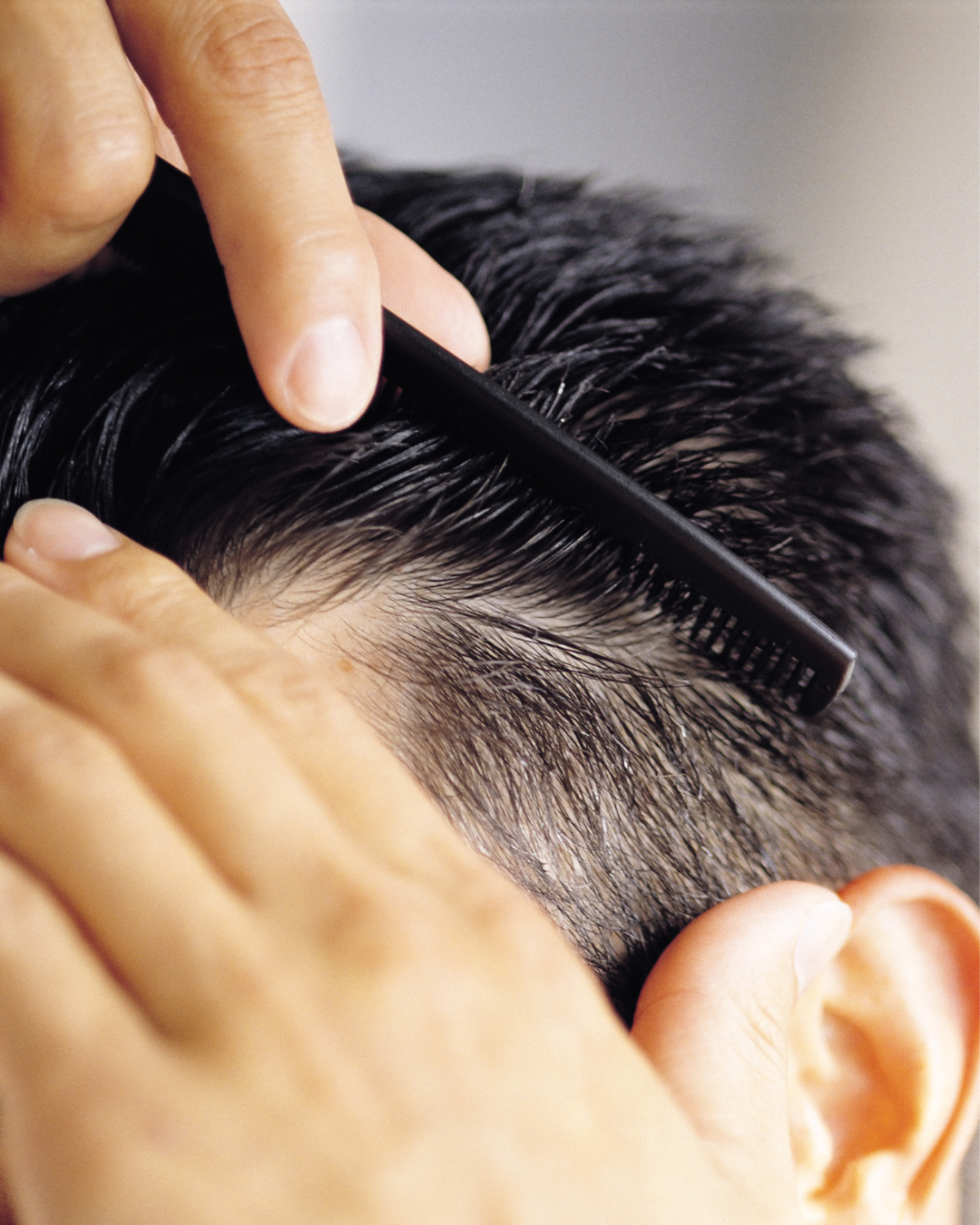
I still remember how simple the decision felt at the time. I was noticing my hair thinning, my hairline changing, and with it, a gradual shift in how I felt about myself. Hair loss can seem superficial from the outside, but when you experience it personally, it becomes surprisingly emotional. It affects how you see yourself, how you show up in photographs, how you carry yourself in social situations, and sometimes even how confident you feel professionally.
Like many people, I saw a hair transplant as the solution. The logic seemed straightforward: you lose your hair, you restore it, and the problem is solved. Around me, hair transplants were becoming increasingly common. The procedure felt almost routine, especially in a region where conversations around hair restoration are everywhere. I spent time researching clinics, reading reviews, comparing options, and eventually committed to the process.
What I realise now is that I was focused almost entirely on the transplant itself. I was thinking about density, hairlines, graft numbers, and before-and-after photos. What I wasn't thinking about was what would happen afterwards. Nobody really talked about maintenance. Nobody explained how hair loss continues evolving long after the procedure is finished. At the time, I believed I was making a one-time decision. Looking back, I was actually beginning a long-term journey.

Over the years, I ended up having 2 rounds of partial hair transplant worth over 120,000 AED. The first procedure did not deliver the results I had hoped for. The second was more successful, but even then, the reality proved more complicated than I expected.
One of the things that surprised me most was discovering that a transplant is never a guaranteed outcome. We often see polished before-and-after photos and assume success is inevitable. In reality, there are many variables involved. Grafts can fail. Results can be inconsistent. Expectations do not always match reality. And when that happens, the emotional impact can be significant.
Beyond the financial investment, there is also the psychological investment. You place a huge amount of hope in the procedure. You imagine how you'll feel once it's done. You expect a sense of closure. When results fall short, or when further thinning continues around the transplanted area, it can be incredibly frustrating.
This is a side of hair restoration that isn't discussed often enough. The procedure itself may last a day, but the emotional journey can continue for years. Hair loss doesn't suddenly stop because you've had a transplant. In many cases, the underlying process continues quietly in the background, affecting the native hair surrounding the transplanted grafts.
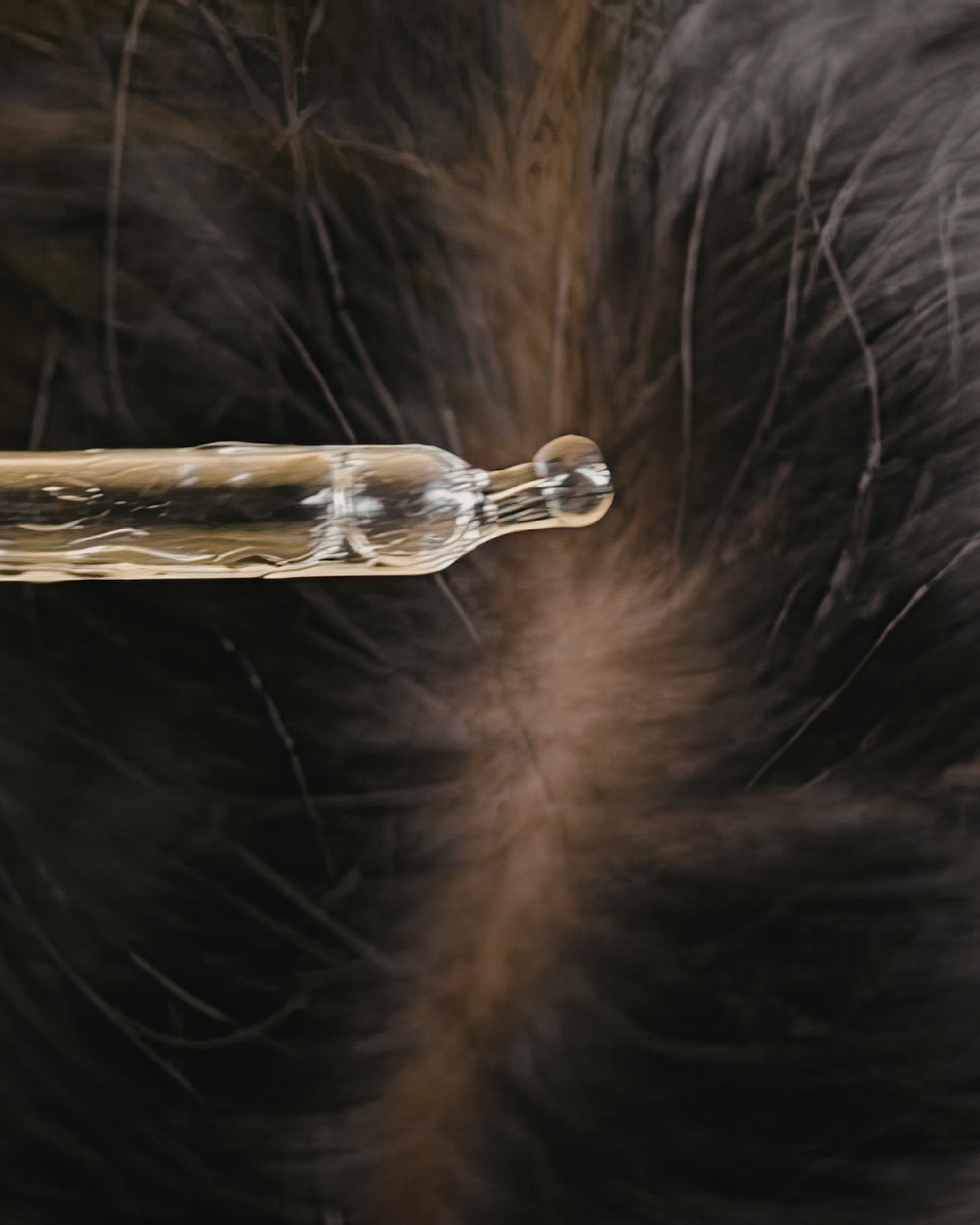
The biggest lesson I've learned is that the most valuable hair isn't necessarily the hair that's transplanted. It's the hair you already have.
A transplant moves follicles from one area of the scalp to another. What it doesn't do is stop the biological processes driving hair loss in the first place. Genetics, hormones, stress, inflammation, lifestyle factors, and ageing continue influencing the health of your hair over time. The transplanted grafts may survive, but the surrounding hair can still thin if it isn't actively supported.
This is the part of the conversation I wish I had understood earlier. If I could go back, I would spend less time obsessing over the transplant itself and more time understanding scalp health, follicle preservation, and long-term maintenance. I would have asked more questions about what happens five years later, ten years later, and how to protect the hair I still had.
At 37 years old, the reality is that I may require additional interventions throughout my lifetime if I want to maintain density long-term. That's not necessarily because the transplant failed. It's because hair loss is progressive. Once I understood that, my perspective shifted completely. The objective was no longer simply replacing hair. It became preserving it.

Today, my focus is very different. Instead of viewing hair restoration as a single event, I now see it as an ongoing process of management and preservation. The goal is no longer chasing the next procedure. It's creating the conditions that allow my existing hair to remain healthier, stronger, and more resilient for as long as possible.
This is where my journey with Ouronyx begins. Together with Dr Thivos and the team, we're focusing on a long-term Hair Plan designed around maintenance rather than replacement alone. That includes regenerative treatments, scalp-focused therapies, ongoing monitoring, and interventions designed to support follicular health over time.
What I find most reassuring is that this approach feels realistic. It acknowledges that hair loss is not static. It evolves. And therefore, the strategy should evolve too.
If there's one thing I wish someone had told me before my first transplant, it's this: the procedure itself is only one part of the story. The real work begins afterwards. Because the future of hair restoration isn't simply about replacing what's been lost. It's about protecting what remains.
Coming next, Dr Thivos shares his perspective on why long-term preservation is becoming one of the most important conversations in modern hair restoration.
Book a Consultation
Begin your Ouronyx journey with one of our facial aesthetics doctors. Choose a location, date and time that suits you and we’ll get ready to onboard you on the tour of self-discovery.