



Ouronyx Blog
Aesthetic Myths: The Truth Behind Skin, Hair & Midlife Ageing

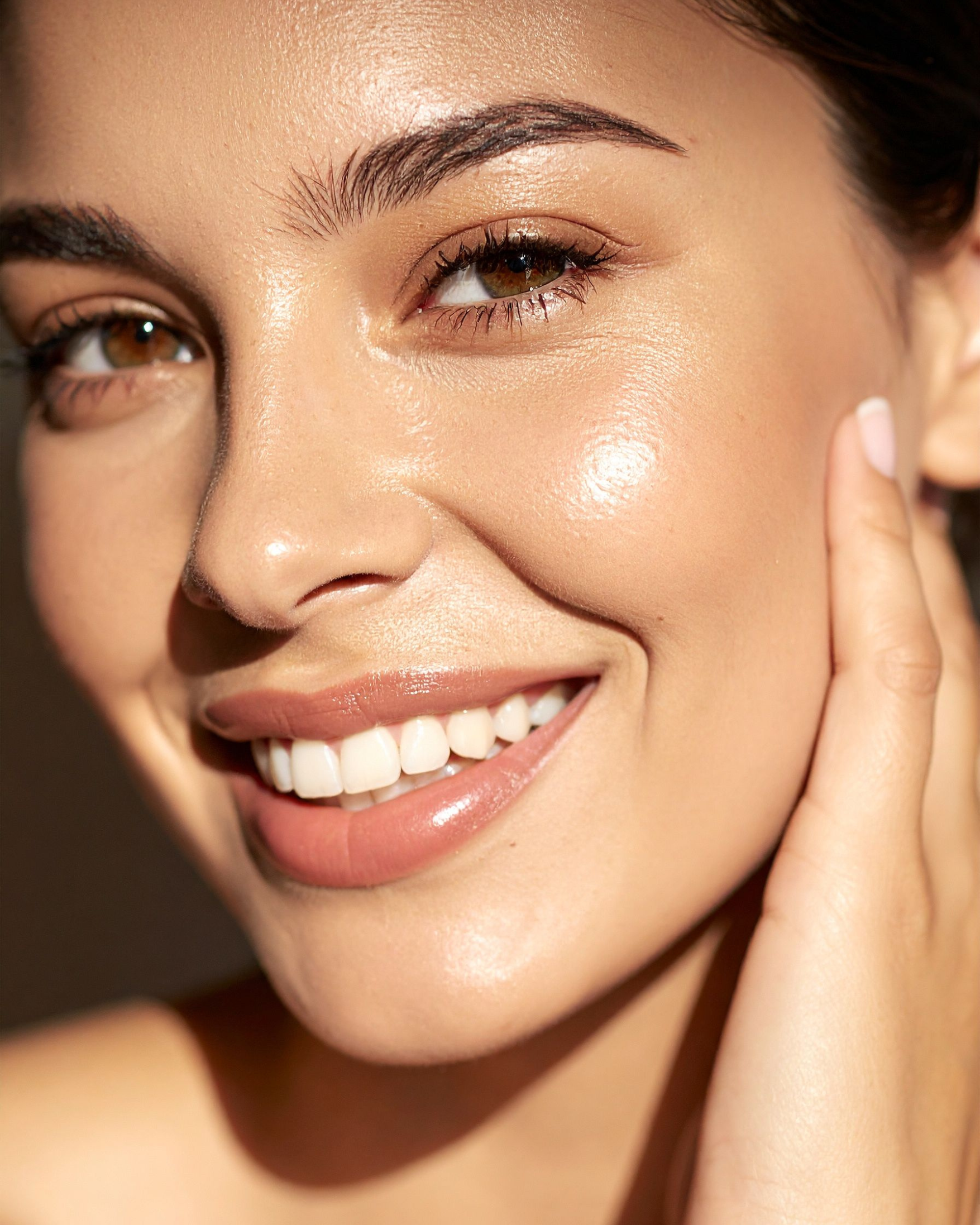
Myth 1: Preventative Care Is About Selling More Treatments. Preventative care is often misunderstood as an upsell, a way to convince people to start treatments earlier than necessary. In reality, prevention in aesthetic medicine is rooted in biology, not branding. From our late twenties onward, collagen production begins to decline. In our forties and fifties, hormonal changes accelerate shifts in skin thickness, elasticity, and facial volume. In the scalp, follicles may begin to miniaturise long before visible thinning appears.
Preventative care does not mean doing more. It means doing the right thing at the right time. It often looks like subtle collagen stimulation, light regenerative treatments, or structured scalp support long before dramatic intervention is required. It reduces the need for aggressive correction later. True prevention is quiet. It is measured. It is strategic. It is the difference between maintenance and repair.

Myth 2: You already know what your skin and hair need. Many patients arrive confident in their self-diagnosis. “My skin is dry”, or “My hair is just stressed” or “I just need a better cream”. But skin and hair are complex biological systems. What looks like dryness may be collagen depletion. What feels like shedding may be early-stage androgenetic alopecia. What seems like fatigue may be hormonal restructuring. The surface rarely tells the full story.
Ageing is influenced by genetics, inflammation, stress, nutrient levels, lifestyle, and structural changes beneath the visible layers. Without proper assessment, it’s easy to treat symptoms while ignoring causes. This is why guessing leads to frustration and why many people feel they’ve “tried everything” without results. Understanding is not overcomplication. It is precision. You don’t need more products. You need the right plan.
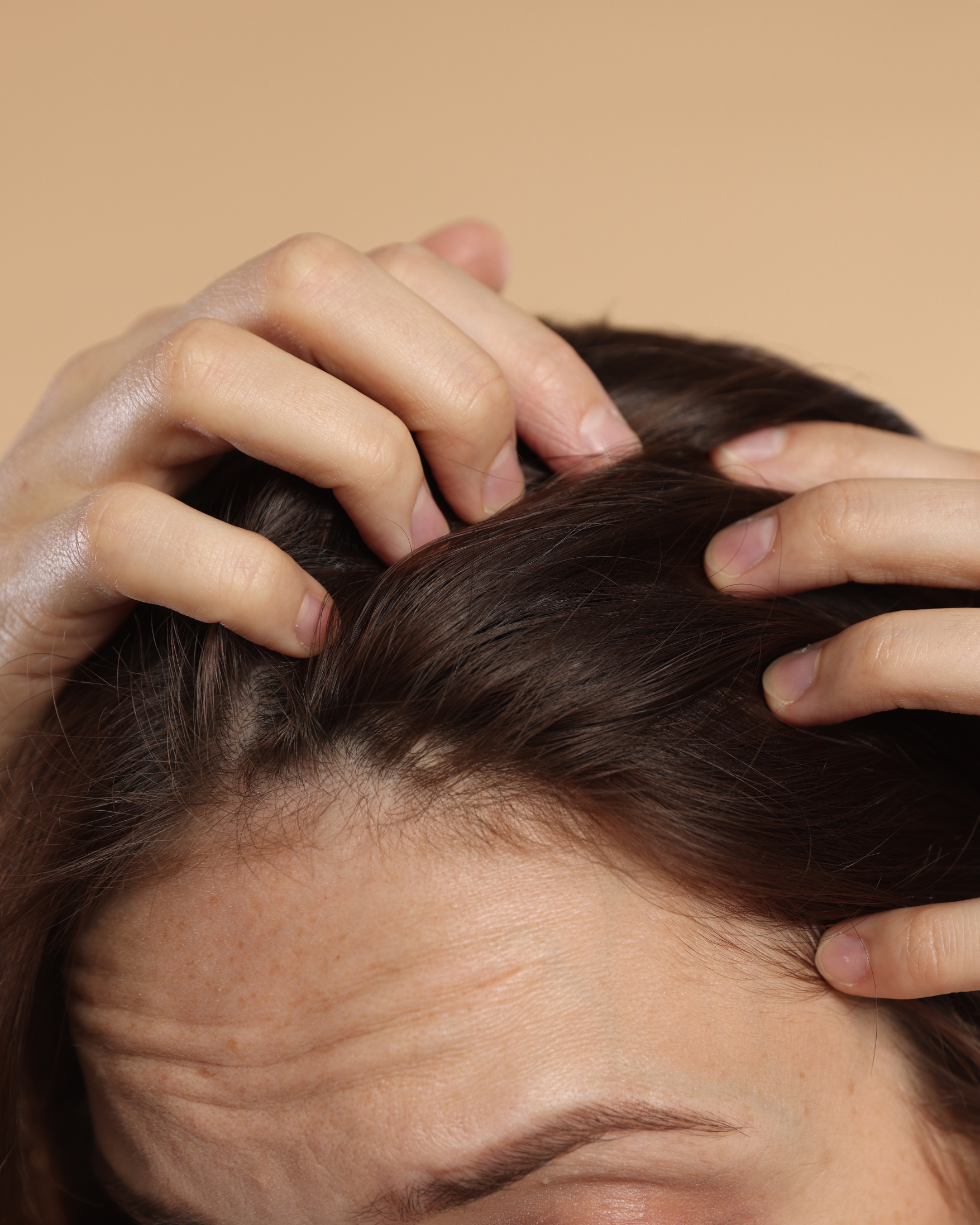
Myth 3: Hair loss only affects men. This myth persists because male hair loss is more publicly visible. But nearly half of women experience noticeable thinning at some stage in their lives, often triggered by hormonal shifts, postpartum changes, stress, or perimenopause. The difference is not prevalence. It is conversation. Female hair thinning tends to be diffuse and gradual. It may not create bald patches, but it changes density, texture, and confidence. Many women internalise it silently, believing it is either “normal” or untreatable.
It is neither. Hair loss in women is often highly responsive to early intervention, especially when addressed before significant follicular miniaturisation occurs. Hair is tied to identity. To femininity. To self-perception. Dismissing female hair loss as rare or insignificant does not reflect reality. Recognising it early and without stigma changes outcomes.
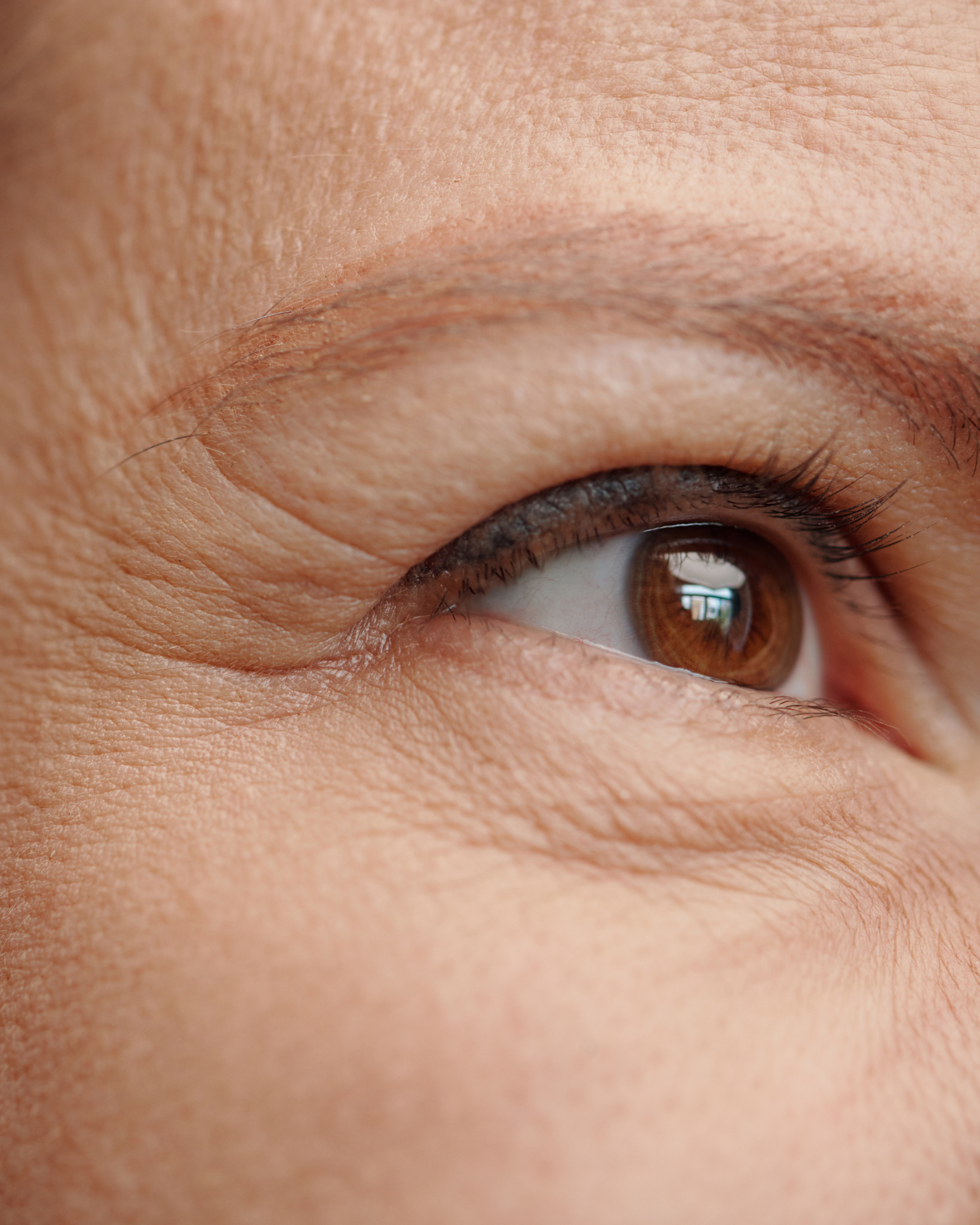
Myth 4: Face restoration means adding volume. One of the most damaging myths in aesthetic medicine is that ageing can be “fixed” by simply adding volume. While volume loss is part of facial ageing, it is not the whole picture. Ageing affects bone density, ligament support, fat pad positioning, muscle activity, and skin quality. The face does not simply deflate. It restructures. Restoration is not about overfilling. It is about restoring balance.
Sometimes that means stimulating collagen rather than adding filler. Sometimes it means strengthening structural support subtly. Sometimes it means doing less than expected. The goal is not to change a face. It is to maintain its integrity. True facial restoration respects anatomy. It respects restraint. And it prioritises harmony over trend. When structure is supported intelligently, the result is not “done.” It feels like yourself — just steadier.
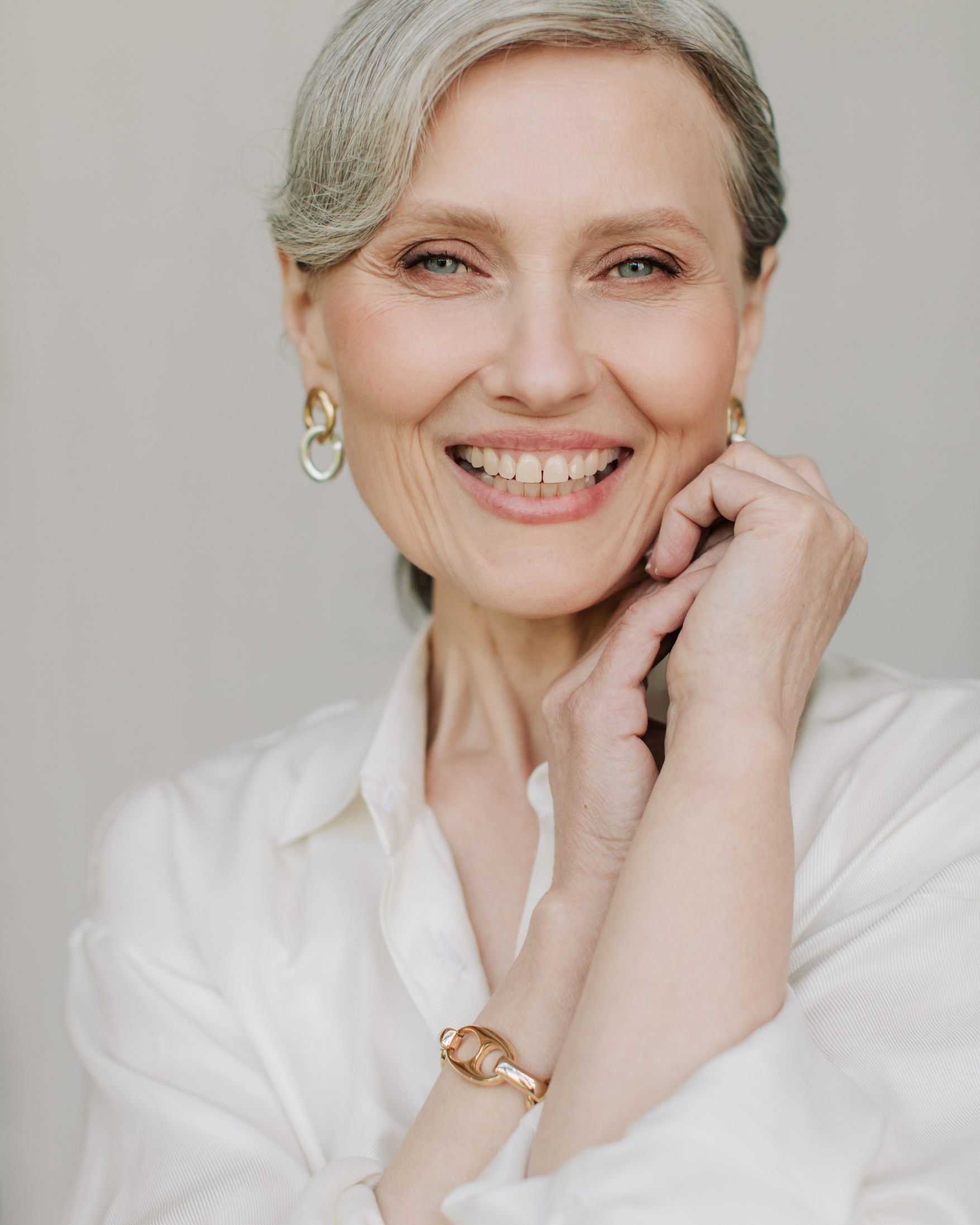
Myth 5: Menopause marks the end of aesthetic relevance. Culturally, menopause has long been framed as decline — loss of vitality, loss of radiance, loss of relevance. Biologically, it is a profound transition. Oestrogen levels decrease. Collagen drops more rapidly. Skin becomes thinner and drier. Hair density may shift. But this stage is not an ending. It is a recalibration.
Midlife patients often arrive with greater self-awareness, clearer priorities, and less interest in chasing trends. They are not seeking transformation. They are seeking balance. This is where mindful aesthetics becomes most powerful. Aesthetic care in midlife is not about looking younger. It is about supporting tissue health, reinforcing structure, and adapting to new hormonal realities with intelligence and respect. Menopause is not the end of beauty. It is the beginning of a different kind of relationship with it.

The Mindful Reset begins here. Not with a treatment, but with awareness. When you understand what is truly shifting in your skin, your hair, your structure, or your hormonal landscape, your choices become calmer and more intentional.
You stop chasing solutions and start building a plan. And that plan, rooted in biology and guided by expertise, creates results that feel natural and sustainable. Ageing does not require urgency. It requires timing, nuance, and thoughtful intervention. The goal is not to look different. It is to feel steady, supported, and fully yourself, at every stage.
Book a Consultation
Begin your Ouronyx journey with one of our facial aesthetics doctors. Choose a location, date and time that suits you and we’ll get ready to onboard you on the tour of self-discovery.